Public Venue & Event Insurance

From concert halls to community markets. Protecting the places and events where New Zealanders come together.

Where People Gather, Risk Follows

New Zealand's vibrant event culture — from Waitangi Day celebrations to local farmers' markets, from rugby stadiums to community halls — brings people together. Every weekend, thousands of venues and events across Aotearoa welcome crowds of attendees, participants, and spectators. But wherever people gather, risk follows.

Public liability insurance ensures your venue or event is protected when the unexpected happens. A slip on a wet floor at a wedding venue. A speaker system that malfalls during a concert. A child injured at a community market. A spectator hit by equipment at a sports event. These incidents aren't hypothetical — they happen regularly. And they can be costly.

Most NZ councils require proof of public liability insurance before issuing event permits. Many venue hire contracts require your PLI coverage. But beyond compliance, comprehensive cover protects your reputation, your finances, and your ability to continue operating when something goes wrong.

Whether you run a permanent venue, organise regular events, or host a one-off gathering, public liability insurance is essential protection. It covers third-party injury claims, property damage claims, and the legal costs to defend your venue or event. In New Zealand, it's not optional — it's responsible management of risk.

Venue & Event Types & Coverage

Comprehensive insurance for every venue and event scenario

Concert venue with large stage and lighting

Concert & Entertainment Venues

Concert halls, theatres, cinemas, nightclubs, live music venues

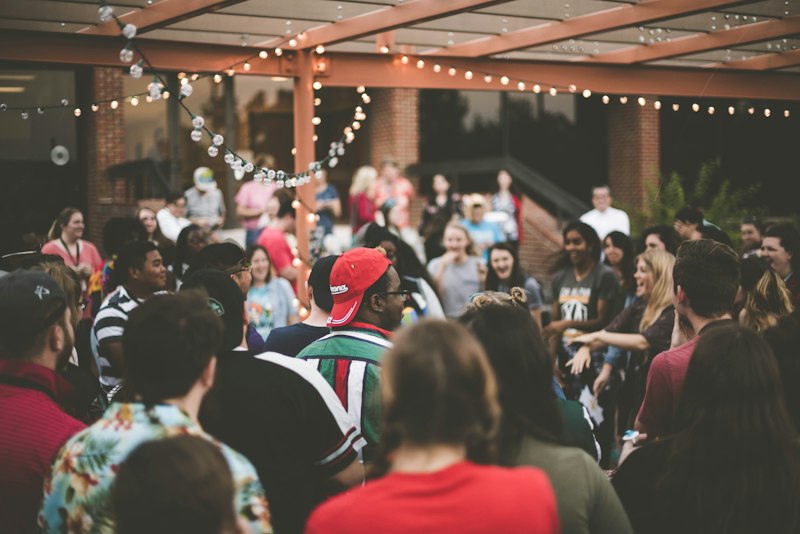
Entertainment venues are high-energy, high-risk environments. Thousands of patrons in confined spaces, elevated stages with complex rigging, pyrotechnics, lighting rigs, and sound systems create multiple hazard points. Crowd control, intoxication-related incidents, equipment failures, and structural hazards all present liability exposure.

Key Risks:

  • Crowd crush or crush injuries
  • Stage equipment or speaker stack failure
  • Pyrotechnic or special effects accidents
  • Slip and fall injuries in dark or wet conditions
  • Alcohol-related incidents and assaults
  • Injuries from lighting rigs or rigging failure
  • Equipment rental damage claims
  • Stairwell and balcony injuries
Recommended Cover: $10M – $20M
Typical Monthly Cost: From ~$100

Real Scenario:

A speaker stack falls during setup for a concert and injures a crew member and damages rental equipment worth $50,000. The crew member requires hospitalisation and claims medical costs of $25,000 plus lost wages. The rental company claims $50,000 for equipment. Your PLI covers the full claim and legal defence costs.

Council Requirement: Most councils require minimum $5-10M PLI for concerts and entertainment events. Ensure your policy covers the specific activities planned (live performance, dancing, alcohol service).
Get a Quote for Entertainment Venues
Rugby ground with spectators

Sports Grounds & Facilities

Rugby/cricket grounds, pools, gyms, skate parks, tennis courts, sports clubs

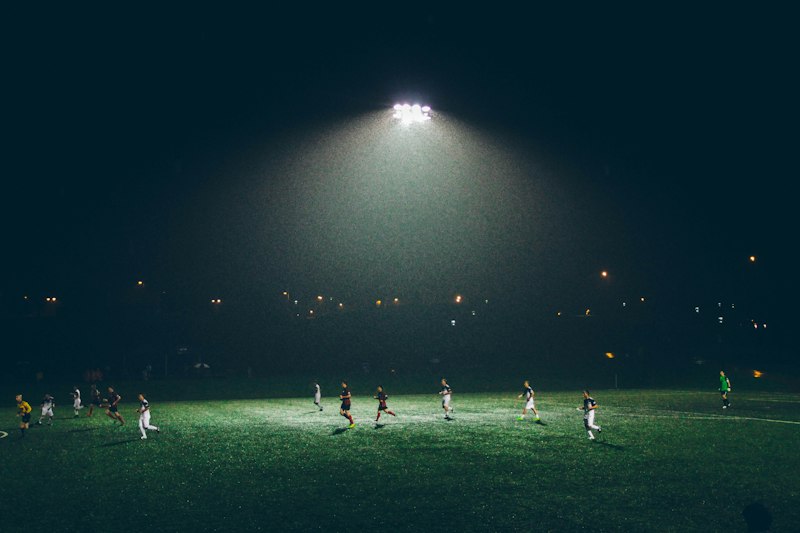
Sports facilities serve athletes, spectators, and community members in environments where injury is inherent. Spectators suffer injuries from flying balls, equipment failures, or unsafe viewing conditions. Athletes claim injuries from inadequate facility maintenance or negligent instruction. Pools and water-based facilities carry drowning risks. Gyms and training facilities face equipment failure claims.

Key Risks:

  • Spectator struck by ball or equipment
  • Boundary fence or protective equipment failure
  • Athlete injuries from poorly maintained facilities
  • Pool drowning or water safety incidents
  • Gym equipment failure or malfunction
  • Inadequate supervision incidents
  • Slippery or uneven playing surfaces
  • Injuries to coaching staff or volunteers
Recommended Cover: $5M – $10M
Typical Monthly Cost: From ~$70

Real Scenario:

A spectator is hit by a cricket ball that clears the boundary fence at a club ground. The spectator suffers a serious head injury requiring emergency hospitalisation ($18,000). They claim medical costs plus ongoing physiotherapy and loss of earnings (total $35,000). Your PLI covers the entire claim.

ACC Interaction: Sports injuries are often covered by ACC, but your PLI covers liability claims beyond ACC entitlements, especially where negligence is alleged. Ensure your policy covers all activities conducted at your facility.
Get a Quote for Sports Facilities
Community hall with tables and chairs

Community Halls & Centres

Community centres, church halls, marae, RSA halls, scout dens, meeting rooms

Community halls are the heart of many neighbourhoods and iwi communities. They host dinners, celebrations, weddings, meetings, and cultural events. While risks may seem lower than entertainment venues, slip and fall injuries, food safety incidents, structural hazards, fire risks, and inadequate facilities for events can all create liability. Many halls are older buildings with aging infrastructure.

Key Risks:

  • Slip and fall injuries on floors
  • Injuries from raised thresholds or stairs
  • Food poisoning from catering events
  • Structural hazards (low beams, uneven floors)
  • Fire safety and emergency evacuation failures
  • Injuries to hirers and their guests
  • Inadequate lighting causing accidents
  • Injuries from inadequate seating or staging
Recommended Cover: $2M – $5M
Typical Monthly Cost: From ~$30

Real Scenario:

An elderly visitor trips on a raised threshold entering the community hall for a dinner event. The visitor suffers a broken hip requiring surgery ($12,000) and extended rehabilitation. They claim compensation for injury and loss of independence. Your PLI covers medical costs, legal defence, and settlement.

Maintenance Critical: Maintain detailed records of regular maintenance, cleaning, and safety inspections. This evidence protects your venue and supports insurance claims of due diligence.

Get a Quote for Community Halls
Outdoor market with vendor stalls

Markets & Festivals

Farmers' markets, night markets, craft fairs, food festivals, Christmas markets, street fairs

Markets and festivals are outdoor, public events that bring hundreds or thousands of people together. Temporary structures, food safety, crowd management, vehicle movements, and weather all present risks. Stalls can collapse in wind. Food can cause illness. Crowds can cause crush injuries. Weather can damage attendees' property or create slip hazards.

Key Risks:

  • Market stall collapse (especially in wind)
  • Food safety and food poisoning claims
  • Crowd crush or crowd control failures
  • Vehicle and pedestrian incidents
  • Slip and fall injuries on uneven ground
  • Weather-related damage to property
  • Injury from temporary structures or barriers
  • Vendor or customer slip/fall incidents
Recommended Cover: $2M – $5M
Typical Monthly Cost: From ~$35/event or annual

Real Scenario:

A market stall tent collapses in a sudden Wellington gust, injuring several shoppers and a vendor. One shopper suffers arm fractures ($10,000 medical), a vendor's equipment is damaged ($8,000), and minor injuries affect two others ($5,000). Total claim: $23,000. Your PLI covers the full amount.

Council Permits: Nearly all councils require PLI documentation for market and festival permits. One-off event policies are designed specifically for these situations and offer flexible, affordable cover.
Get a Quote for Markets & Festivals
Adventure activity with zipline and harness

Adventure & Recreation

Adventure tourism, zip lines, trampoline parks, go-kart tracks, paintball, adventure playgrounds

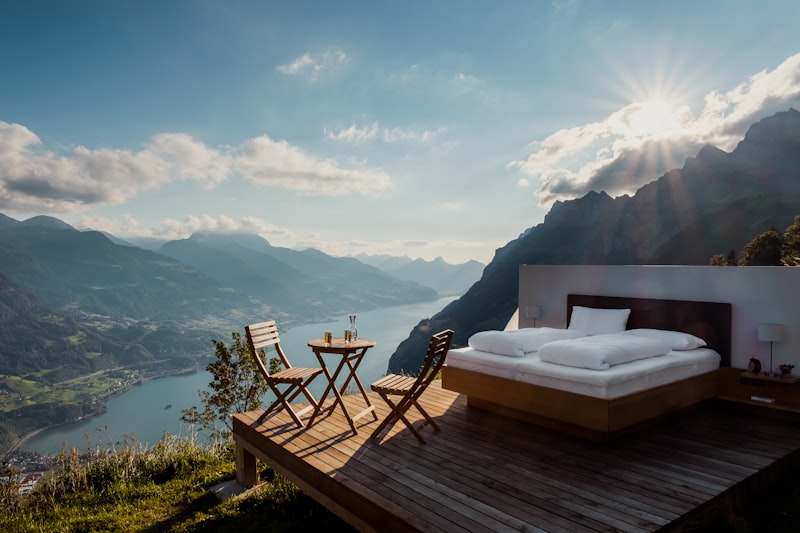
Adventure and recreation activities are inherently risky. Participants accept some risk, but operators have significant liability for injuries resulting from equipment failure, inadequate instruction, or negligent supervision. High-energy activities like zip-lining, go-karting, and trampoline parks carry elevated injury risk. PLI is essential for operators of these activities.

Key Risks:

  • Harness or safety equipment failure
  • Fall injuries from heights
  • Go-kart collision or impact injuries
  • Trampoline park injuries (landing wrong, landing on others)
  • Equipment malfunction or inadequate maintenance
  • Inadequate instruction or supervision
  • Participant exceeding safe weight/height limits
  • Injury to spectators or staff
Recommended Cover: $10M – $20M
Typical Monthly Cost: From ~$120

Real Scenario:

A harness fails on an adventure activity, causing a participant to fall and be seriously injured. The participant suffers spinal injuries, requiring ongoing specialist care ($80,000+). They pursue a claim alleging inadequate equipment inspection. Your PLI provides critical protection for this major claim.

Safety Critical: Maintain exhaustive equipment inspection logs. Regular inspection and maintenance documentation is your strongest defence against injury claims and your insurer's most important underwriting requirement.
Get a Quote for Adventure Activities
Conference venue with stage and seating

Conference & Exhibition Centres

Conference venues, exhibition halls, wedding venues, function centres, banquet halls

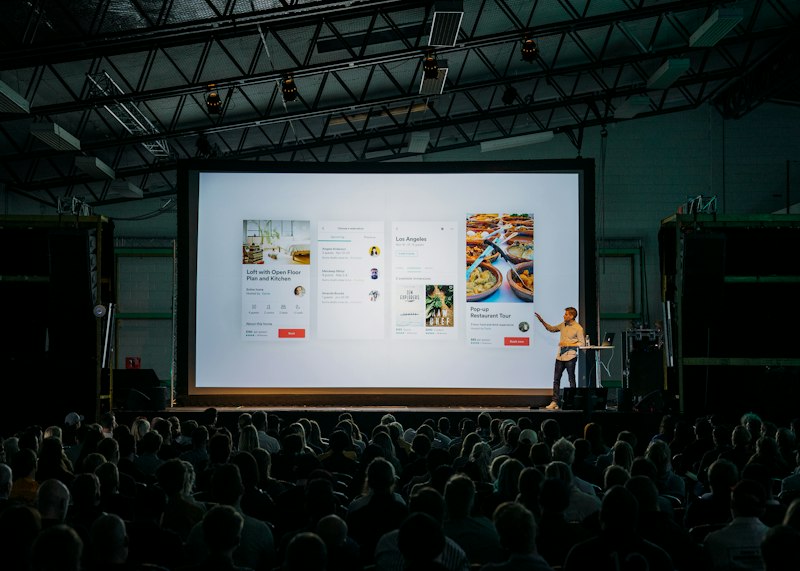
Conference and function venues host professional meetings, weddings, corporate events, and exhibitions. These venues manage complex logistics: food service, audiovisual equipment, temporary staging, crowd management, and often alcohol service. Injuries at weddings, conferences collapsing, AV equipment falling, and food safety incidents all create liability exposure.

Key Risks:

  • Temporary dance floor collapse or failure
  • AV equipment falling from ceiling
  • Catering and food poisoning claims
  • Slip and fall on wet or dance floors
  • Alcohol service liability (intoxicated guest injuries)
  • Structural failures in temporary setups
  • Stairwell and escalator injuries
  • Fire and emergency evacuation failures
Recommended Cover: $5M – $10M
Typical Monthly Cost: From ~$55

Real Scenario:

During a wedding reception, a temporary dance floor gives way injuring several guests. Three guests suffer injuries requiring hospital treatment ($15,000), and multiple others have minor injuries ($3,000). Rental company claims for floor damage ($5,000). Your PLI covers medical claims, legal defence, and rental recovery.

Licensing Compliance: Ensure all temporary structures, food service, and alcohol service comply with local council regulations. Your PLI protects you against claims, but compliance prevents most incidents.

Get a Quote for Conference Centres

Event-Specific Considerations

Critical factors for protecting your event or venue

📋

One-Off Event Policies vs Annual Cover

If you host regular events or manage a permanent venue, annual cover provides comprehensive protection and is cost-effective. For single events, one-off event policies offer affordable protection without long-term commitment. Discuss with your broker which option suits your situation.

🏛️

Council Permit Requirements

Most NZ councils require PLI documentation before issuing event permits. Minimum cover is typically $2M for small events, $5-10M for larger events. Always confirm your council's requirements before purchasing cover. Our brokers understand local council requirements across all regions.

🍷

Alcohol Licensing & PLI

Venues and events serving alcohol face additional liability exposure. The Sale and Supply of Alcohol Act 2012 requires venues to have PLI as part of licensing conditions. Ensure your policy explicitly covers alcohol-related incidents and that you comply with responsible service training requirements.

👥

Crowd Management & Security

Large crowds require appropriate crowd management plans. Ensure adequate security, trained staff, emergency procedures, and capacity controls. Your PLI protects you against claims, but good crowd management prevents most incidents. Consider adding security hire costs to event budgets.

Weather Contingency

NZ weather is unpredictable. Outdoor events require weather contingency plans. PLI covers injury claims resulting from weather (e.g., attendee slips on rain-wet ground if venue inadequately prepared), but not pure weather damage to attendee property. Have backup plans for wind, rain, and heat.

📣

Communication & Waiver Forms

Clear communication about hazards, prominently displayed safety signage, and appropriate waiver forms (for higher-risk activities) reduce incidents and strengthen your legal position. However, waivers don't eliminate liability — they just allocate risk. Always discuss waiver language with your broker.

Venue Operations & Risk Management

What you need to do to stay protected

Regular Maintenance & Inspection

Venues must maintain buildings, equipment, and grounds in safe condition. Conduct regular maintenance and keep detailed records. Identify hazards, repair them promptly, and document the work. This demonstrates due diligence to your insurer and protects your venue in the event of a claim. Maintenance records are crucial evidence that you took reasonable steps to prevent injury.

Health & Safety at Work Act 2015 Compliance

As a duty holder under the Health and Safety at Work Act 2015, venue operators and event organisers must manage health and safety risks. Conduct risk assessments, create and communicate safety procedures, provide training to staff, and ensure contractors comply with your safety requirements. Your PLI protects against third-party claims, but HSWA compliance prevents most incidents.

Emergency Evacuation Planning

Every venue must have emergency evacuation procedures. Ensure exits are clear, signage is visible, staff are trained, and procedures are regularly tested. Conduct fire drills if required. In an emergency, clear procedures and trained staff reduce injuries and demonstrate due diligence to insurers and authorities.

Contractor Management

Contractors (maintenance workers, catering staff, performers, equipment operators) must hold their own PLI. Always request proof of insurance before contractors begin work. Ensure they comply with your health and safety requirements. Your PLI doesn't cover contractor actions — it covers your liability for managing contractors negligently.

Insurance Proof & Documentation

Keep your PLI policy documents accessible. Know your cover limits, policy conditions, and what's excluded. Maintain documentation of councils permits, safety inspections, maintenance records, and insurance proof. In the event of a claim, having organised documentation allows your insurer to respond quickly and effectively.

Incident Reporting & Records

If an incident occurs (injury, property damage, near-miss), document it thoroughly. Record date, time, location, people involved, witnesses, what happened, injuries sustained, and steps taken. Notify your insurer promptly. Good incident records help your insurer investigate and defend claims quickly.

What's Covered & What's Not

Understanding your public liability insurance

✓ What IS Covered

  • Third-party bodily injury (death, injury, illness)
  • Third-party property damage
  • Legal costs to defend your venue or event
  • Court awards and settlements
  • Medical and rehabilitation costs (for third parties)
  • Food safety claims at catered events
  • Alcohol-related incidents (if included in policy)
  • Spectator and participant injuries (from venue/event negligence)
  • Injury to temporary staff and volunteers (if covered by policy)

✗ What's NOT Covered

  • Your own employee injuries (use WorkSafe/ACC)
  • Your own property damage
  • Intentional acts or criminal activity
  • Motor vehicle incidents (use vehicle insurance)
  • Professional liability or malpractice
  • Cyber incidents or data breaches
  • Pure economic loss (financial losses without injury/damage)
  • Contractual liability (unless written into policy)
  • Weather damage to attendees' property

Typical Excess

Most PLI policies for venues and events have an excess of $500-$2,000. This is the amount you pay toward a claim before insurance kicks in. Discuss excess options with your broker.

ACC Interaction

ACC covers most worker and participant injuries in New Zealand. However, if your venue or event is negligent, there may be liability beyond ACC entitlements. Your PLI covers this additional liability and legal costs to defend claims.

Cover Limits

Most NZ councils require $2-10M cover depending on event type and size. Larger events with alcohol service typically require higher limits. Choose cover that matches your council requirements and your risk profile.

What Venue & Event Operators Say

Real stories from New Zealand venues and event organisers

★★★★★

Maria K.

Event Organiser, Christchurch

"When we hosted our first community market day, the council required public liability cover. Cover4You had us sorted in 24 hours with a one-off event policy. The process was straightforward, the premium was affordable, and we got the council permit approved immediately. Highly recommend for event organisers."

★★★★★

Dave R.

Rugby Club President, Hamilton

"Running a sports club means managing risk every weekend. We have players, spectators, and volunteers on our grounds. Our PLI policy gives the committee peace of mind that we're protected. Claims can be costly, but with proper coverage, we can focus on the game without worrying about liability."

★★★★★

Lisa N.

Wedding Venue Owner, Queenstown

"As a wedding venue, we need comprehensive cover for everything from catering incidents to dance floor accidents to guest slip and falls. Our broker found us a policy that covers all those scenarios. When we have an incident, we know we're protected. That's priceless peace of mind."

Protect Your Venue or Event Today

Comprehensive public liability insurance ensures you can focus on creating great experiences while being protected against unexpected claims. Get a quote tailored to your venue or event.

Get Your Free Quote Now

Frequently Asked Questions

Common questions about public liability insurance for venues and events

Do I need PLI for a one-off event?

+

Yes, most councils require proof of PLI before issuing event permits. One-off event policies are available from around $150-$500 depending on event size and risk level. For community markets, festivals, charity events, and similar gatherings, one-off event cover is often the most cost-effective option.

What PLI limit does the council require for events?

+

Most NZ councils require a minimum of $2 million PLI for public events. Larger events or those with alcohol service may require $5-10 million. Some high-risk activities or large crowds may require even higher limits. Contact your local council planning department to confirm specific requirements for your event.

Does PLI cover alcohol-related incidents?

+

Yes, most PLI policies cover alcohol-related incidents at licensed venues and events. However, you must comply with NZ licensing laws, responsible service of alcohol training requirements, and server limitations. If you're serving alcohol, ensure your policy explicitly covers alcohol-related claims and that your staff are properly trained.

Am I covered if bad weather damages attendees' property?

+

PLI generally covers injury or property damage caused by your venue or event operations. Weather damage to attendees' property (wet phone, blown away bag, etc.) may not be covered unless it results from your negligence (e.g., inadequate shelter that you promised, failure to warn of hazards). Pure weather damage is typically not PLI's responsibility.

What about volunteer workers at community events?

+

Volunteers are not automatically covered under standard PLI. You may need statutory liability cover or volunteer-specific insurance. Some policies include volunteer cover as standard, while others require it as an add-on. Discuss volunteer coverage with your broker to ensure they're protected while working at your event.

Do contractors at my venue need their own PLI?

+

Yes. Contractors should hold their own PLI. Your PLI doesn't cover contractor actions. Always request proof of insurance before contractors begin work. Ensure they carry insurance that covers their specific activities. This protects both your venue and the contractor.

How quickly can I get a quote for a one-off event?

+

Our brokers typically provide quotes within 24 hours. For urgent situations, we can often expedite. Submit your event details (date, location, expected attendance, activities, etc.) through our quote form, and a broker will contact you promptly with options and pricing.

What happens if I don't have PLI and there's an incident?

+

Without PLI, you're personally liable for all damages. A serious incident could result in claims of $50,000-$200,000+. You'd be defending claims from personal funds, potentially requiring personal legal costs, settlements, and judgments. Many event permits require PLI — without it, you can't legally host the event. The risks are too high to operate without insurance.

Get Your Free Quote

Tell us about your venue or event and we'll connect you with a broker who specialises in venue and event insurance

We'll connect you with a broker experienced in venue and event insurance within 24 hours. Privacy guaranteed.